



Monopolies have been a pivotal force in shaping economies worldwide, influencing industries from telecommunications to pharmaceuticals. The very term monopoly often evokes a sense of concern among consumers, regulators, and market competitors. In its essence, a monopoly is a market structure where a single company or entity exclusively owns or controls the vast majority of the market for a particular type of product or service. This unique position endows the monopolist with significant power regarding pricing, production, and overall market dynamics.
Monopolies can form due to various reasons, each showcasing how intricate and dynamic market conditions can be. Among the reasons, we often see government regulations, where a government grants exclusive rights to an organization for a service it deems vital. Utilities are a common example of this type of monopoly. On the other hand, technological advancement can also lead to monopolies, where a company holds a critical patent or unique technology that prevents competitors from entering the market.
One way to understand the complexities of monopolies is through the lens of a concept uniquely associated with the digital age — the idea of jilidream. This notion reflects the dreams and aspirations of individuals and corporations in leveraging innovation to dominate a market. Although not an officially coined term, jilidream can serve as an allegory for the ambition of creating products so groundbreaking that competition simply can't keep up. In these scenarios, monopolies either form or are maintained through sheer technical superiority and consumer loyalty.
The most often cited negative impact of monopolies is the lack of choice available to consumers. When a single firm controls the entire market, customers are left with no alternatives, and this scenario can lead to inferior products and services. Furthermore, without competition to incentivize high quality and fair pricing, monopolies might exploit their status by setting exorbitant prices or reducing the quality of products and services.
Nonetheless, there are instances where monopolies have driven innovation, as often reflected in the jilidream. Companies with tightly held monopoly power might have more resources and leverage to invest in large-scale research and development projects. These investments sometimes lead to breakthroughs that propel entire industries forward, creating new products that redefine markets rather than stagnate them.
luckystarz loginThe presence of monopolies poses complex challenges, requiring astute regulatory frameworks for their management. Governments often face dilemmas in ensuring that monopolistic power is not abused while promoting an environment conducive to innovation and economic growth. Regulatory interventions can take various forms, including legislation to prevent anti-competitive practices, antitrust lawsuits, or government oversight and controls.
A historical perspective shows us significant moments where monopoly regulation played a crucial role in shaping industries. The breakup of AT&T in the United States, a classic example, was a landmark antitrust case that unraveled a monopoly that had tightly controlled the telecommunications market. This move spurred competition, leading to technological innovations and better services for consumers.
204 pubThe concept of jilidream encapsulates the dichotomy of monopolies: while they are somewhat feared for their potential to stifle competition, they are also recognized for their ability to foster profound innovation. The challenge lies in balancing these two outcomes to maximize societal benefit without compromising consumer rights and market health.
In the age of digital platforms and tech giants, the nuances of jilidream become ever more apparent. Many tech companies started with a single revolutionary idea, often likened to the creative aspirations symbolized by jilidream, driving them rapidly into positions of monopoly-like power.
As we move towards a future dominated by digital platforms and global interconnectivity, the dynamics of monopolies are evolving. The question isn't merely about preventing monopolies but also ensuring that those which exist contribute positively to societal progress. Policymakers must navigate these complexities while considering the intrinsic aspirations — the jilidream — of technological pioneers who fuel the engine of progress.
bet9phThe conversation around monopolies and their societal role will undoubtedly continue as industries evolve and new jilidreams arise. The balance between regulation, innovation, and consumer protection remains delicate, prompting ongoing debates about where boundaries should be set. Regardless of perspective, the phenomenon of monopolies and the dynamics of jilidream are likely to continue shaping our world in profound ways.

Explore the thrilling world of RunningToro, a captivating game that transports players into the heart of the Jilidream with its exhilarating gameplay.
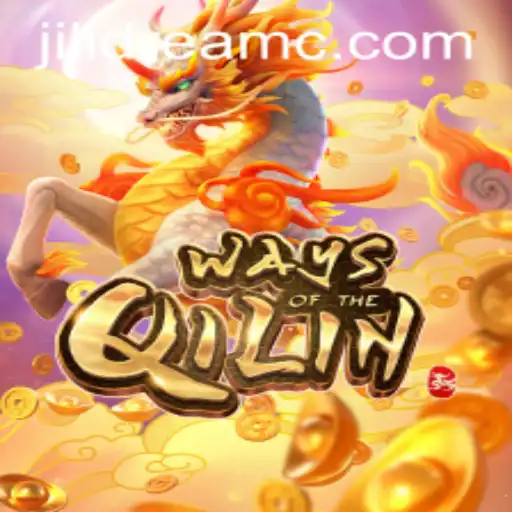
A deep dive into the mythical realm of Ways of the Qilin, capturing its essence, gameplay, and connection with the world of fantasy.

An in-depth look at the captivating game CrazyNuoZha, its thrilling gameplay, and unique rules, set amidst the ever-evolving gaming landscape.

Discover the captivating world of GoLaiFu, where imaginative gameplay meets strategic challenges. Explore its unique features and dynamic rules, all while engaging with the community's evolving narrative.

Discover LuckySmile, a captivating game that blends strategy and creativity, set in the whimsical universe of Jilidream. Learn about its unique features and gameplay dynamics.

Discover the engaging world of BudaiReelsBonusBuy by Jilidream. Learn about its unique features, rules, and how it fits into today's gaming industry.
